When it comes to elevating the beauty and value of your home, few upgrades match the impact of refinishing or repairing hardwood floors. Whether you are planning a full renovation or simply looking to refresh worn-out surfaces, restoring your hardwood flooring can completely transform the feel of your space.
This guide covers everything you need to know about refinishing hardwood floors, hardwood floor resurfacing, and hardwood floor repairing. You will also learn how these updates can fit into a Bay Area home remodeling project.
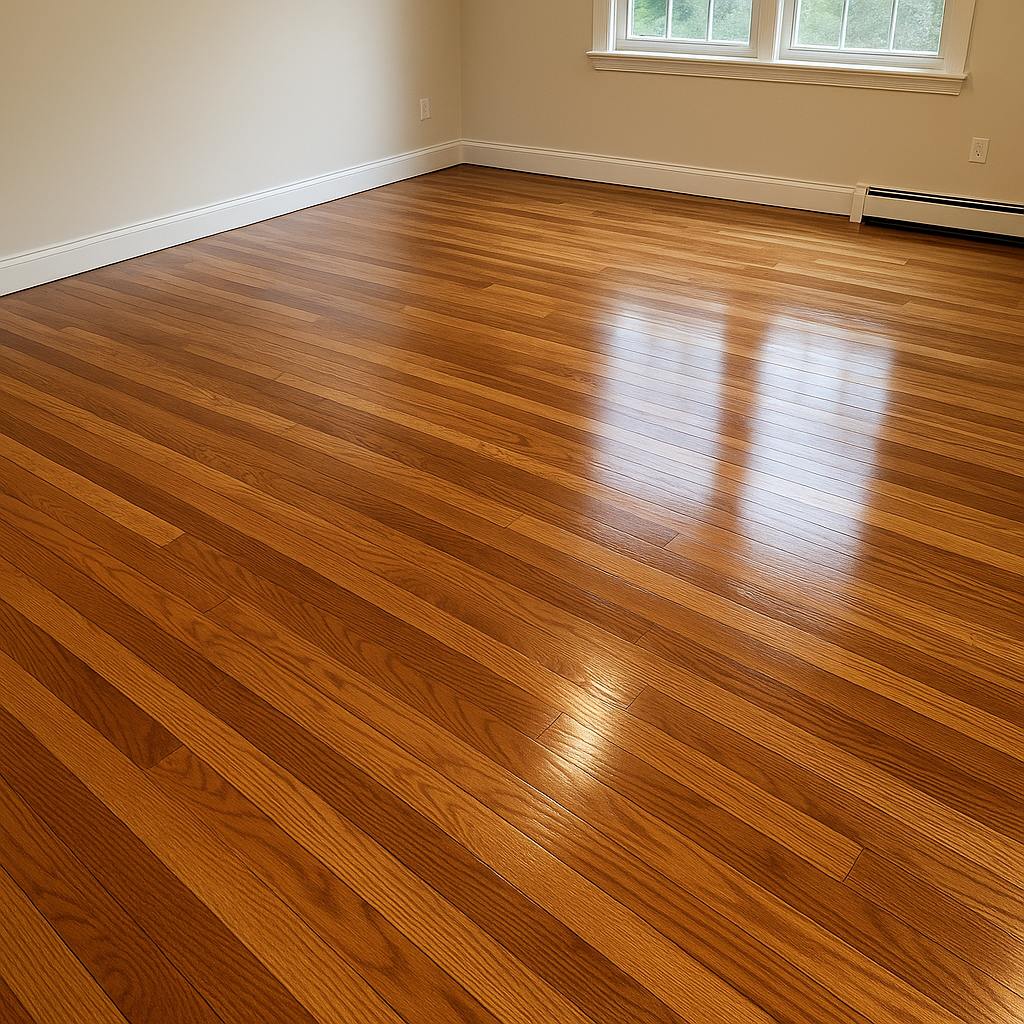 Why Focus on Hardwood Floors
Hardwood floors bring warmth, elegance, and timeless appeal to a home. However, over the years, wear and tear from foot traffic, pets, furniture movement, and sun exposure can cause them to lose their shine. Thankfully, with the right techniques, your floors can be restored to their original beauty.
If your floors are structurally sound but just look worn or scratched, refinishing may be all you need. If they have more serious issues like warped boards or deep damage, repairing or resurfacing might be necessary.
What Is Refinishing Hardwood Floors
Refinishing hardwood floors involves sanding down the top layer of the wood to remove imperfections and then applying a new protective finish. This process works best when the damage is limited to the surface, such as light scratches, minor dents, or fading caused by sunlight.
It is a budget-friendly and highly effective way to revitalize tired floors without replacing them.
Signs Your Floors Need Refinishing
Not sure if your hardwood needs refinishing? Here are a few signs to look out for
- The finish appears dull or worn down
- There are visible scratches or surface stains
- Color looks uneven or faded in certain spots
- You notice grey patches that indicate water exposure
- Small splinters are starting to form on the surface
If these issues are widespread but the floorboards themselves are in good condition, refinishing is usually the right solution.
 How to Refinish Wood Floors
The refinishing process involves several steps and can be done DIY if you are comfortable with power tools and patient enough to follow each stage carefully. However, hiring professionals is recommended for the best outcome, especially in Bay Area home remodeling where quality finishes matter.
Step one is clearing the room of all furniture, rugs, and decor. The floors should be completely empty before starting.
Next, clean the surface thoroughly. Remove any nails or staples sticking out. Vacuum all debris and dust.
Then, sand the floors. You will need a drum sander to strip away the old finish and smooth out the top layer. Use finer sandpaper for corners and edges that are hard to reach.
After sanding, vacuum again and wipe the floor with a tack cloth to remove every bit of dust.
If you want to change the floor color, now is the time to apply a wood stain. Let it dry thoroughly based on the product instructions.
Finally, apply a polyurethane sealant to protect the surface and give it shine. Usually, two to three coats are recommended. Allow each layer to dry completely before adding the next.
The floors will need time to cure after the final coat. Avoid placing furniture or rugs back for several days to prevent damage.
What Is Hardwood Floor Resurfacing
Hardwood floor resurfacing goes a step beyond refinishing. It includes not just sanding and sealing but also repairing structural issues like warped boards, loose planks, and uneven areas.
This process is ideal for floors with more than just surface damage. Resurfacing can fix boards that are cupping, cracking, or have become unstable due to years of wear or moisture.
When to Choose Resurfacing Instead of Refinishing
Choose hardwood floor resurfacing when you notice
- Deep gouges or chips in the wood
- Warped or bent planks
- Loose floorboards or noisy creaks
- Widespread water damage or stains
- Sections of flooring that feel uneven underfoot
While resurfacing is more involved and takes longer, it extends the lifespan of your floors and restores their structural integrity.
How to Repair Hardwood Floors
If your floor has isolated issues rather than damage across the entire surface, hardwood floor repairing is a more targeted approach.
Here is how to repair hardwood floors depending on the issue
For surface scratches, use a wood filler or wax pencil that matches the floor color. Lightly buff and reapply finish if necessary.
For deep cracks or gouges, remove the damaged plank and replace it with a new one that matches in type and color. Sand and finish the new piece to blend it in with the surrounding area.
If water damage has caused discoloration, sanding and bleaching might help. In more severe cases, affected boards will need to be replaced.
For squeaky or loose boards, secure them with nails or a construction-grade adhesive. If the squeak continues, the issue may lie in the subfloor and require professional assessment.
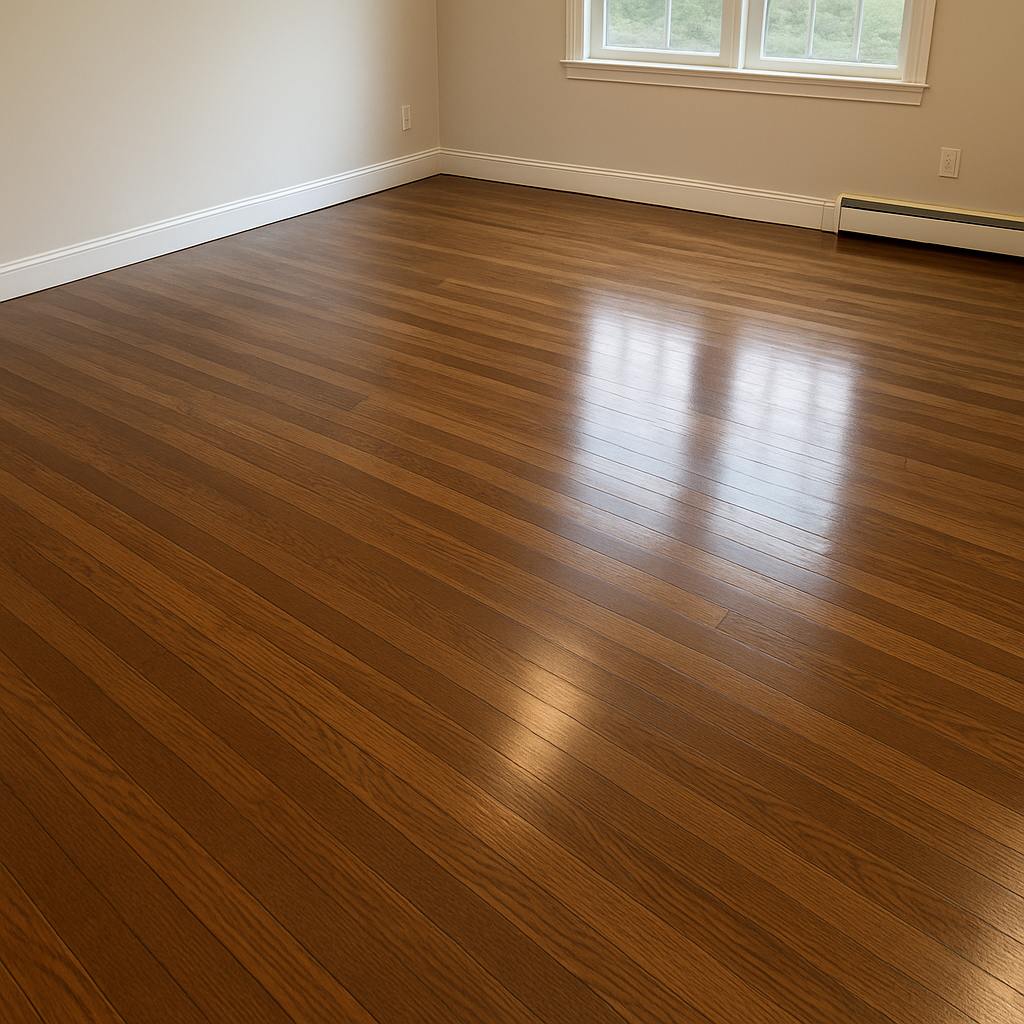 Benefits of Hardwood Floor Restoration
Hardwood floor restoration includes refinishing, resurfacing, and repairing, depending on your floor’s condition. No matter which method you choose, there are significant benefits
It increases home value. Buyers love well-maintained wood flooring, and updated floors can improve your resale price.
It is more sustainable than replacing flooring entirely. Keeping the original wood reduces material waste and supports environmentally conscious remodeling.
It is budget-friendly. Restoring floors typically costs less than tearing them out and installing new ones.
It gives you style flexibility. By choosing a new finish or stain, you can match your flooring to updated home design trends.
Bay Area Home Remodeling and Hardwood Flooring Trends
In the Bay Area, home remodeling projects often emphasize sustainability, clean aesthetics, and durable finishes. Hardwood flooring fits these goals perfectly.
Restoring original wood floors is especially popular in older Bay Area homes, where charm and character matter. Instead of replacing worn floors, many homeowners choose to refinish and modernize them.
Hardwood floors also handle the region’s climate well, making them a practical long-term choice for households across the Bay Area.
Should You DIY or Hire a Pro
Small scratches or isolated damage can often be repaired as a DIY project. But refinishing and resurfacing involve powerful tools, detailed technique, and lots of labor.
Professionals have the right equipment and experience to ensure
- Proper sanding without uneven spots or gouges
- Clean, consistent staining
- Effective sealing and curing
- Minimal dust and mess
- Identification of hidden damage like mold or subfloor issues
For Bay Area homeowners especially, professional hardwood floor restoration offers peace of mind and top-quality results.
Maintaining Your Restored Hardwood Floors
After investing time and money into restoring your hardwood, protect that investment with good habits
- Use rugs or runners in high-traffic areas
- Sweep regularly with a soft broom or vacuum using a hardwood setting
- Clean spills immediately to prevent staining or warping
- Avoid harsh chemicals and abrasive scrubbers
- Use furniture pads to prevent scratches and dents
Well-maintained floors can last another ten to twenty years before needing additional refinishing or repair.
Also Read: Comprehensive Whole Home Remodeling Guide
Conclusion
Hardwood floors are one of the most impactful elements of a home’s design. Whether you are dealing with surface scratches, deeper damage, or aging finish, there is a solution that fits your needs and budget.
Refinishing hardwood floors gives tired surfaces a fresh start. Hardwood floor resurfacing adds strength and beauty to damaged areas. Hardwood floor repairing lets you fix specific issues without a complete overhaul.
If you are planning a Bay Area home remodeling project, do not overlook your flooring. It is more than just a surface. It sets the tone for your entire living space. With the right care and restoration from ASL Remodeling, your hardwood floors can continue to impress for decades to come.